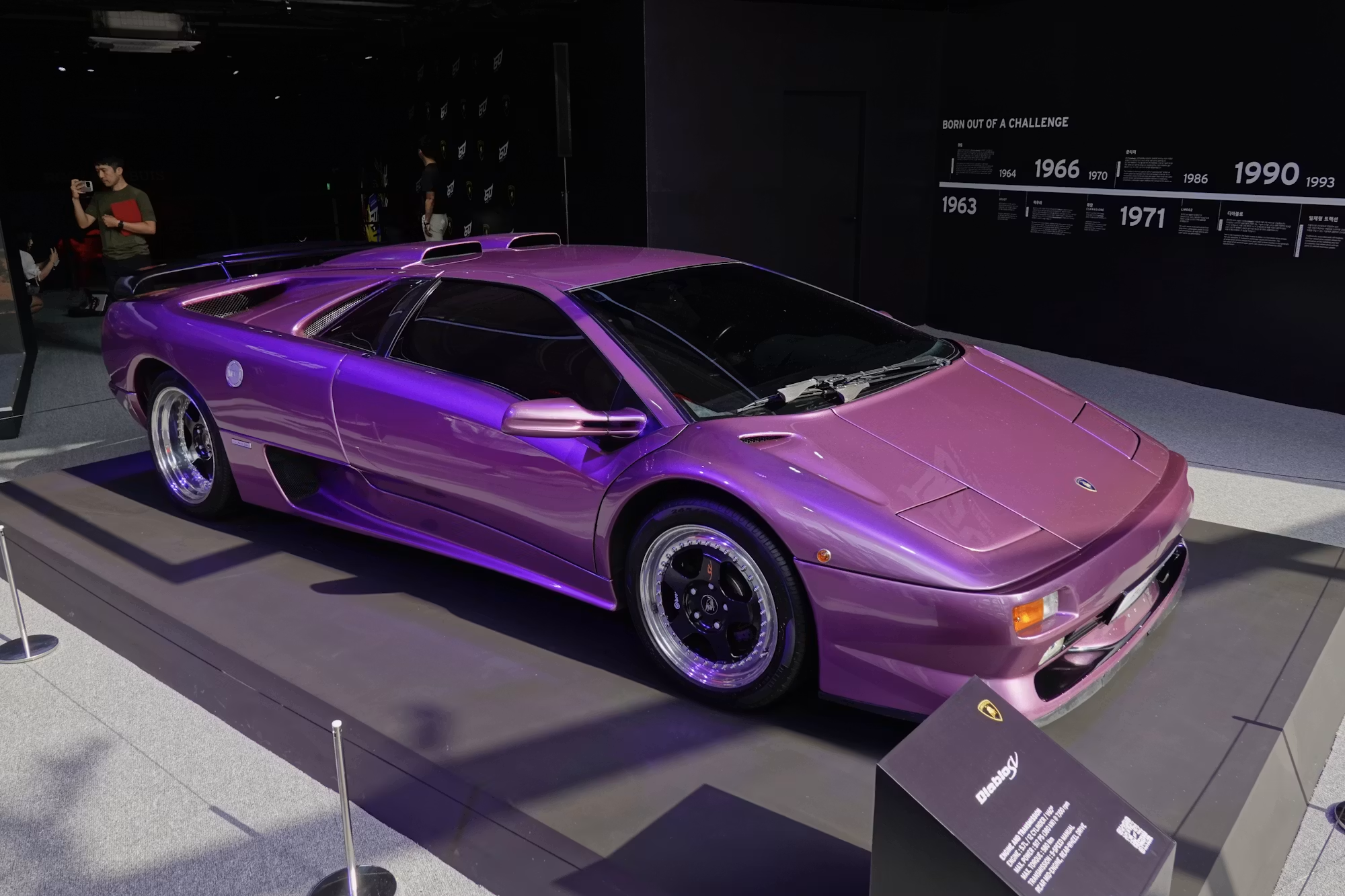
The world of automotive engineering has long been captivated by the allure of sports cars. These vehicles, synonymous with performance and style, have evolved significantly since their inception, becoming icons of speed and engineering excellence. This article explores the evolution of sports cars, delving into their history, technological advancements, and enduring appeal in automotive culture.
The roots of sports cars can be traced back to the early 20th century, when automotive pioneers began to prioritize speed and performance. The 1914 Vauxhall 25-hp ‘Prince Henry’ Sports Torpedo, for example, showcased a blend of power and design that laid the groundwork for future models. In the years that followed, manufacturers began to recognize the growing demand for vehicles that combined performance with style. The 1920s saw the introduction of iconic models like the Bentley 4½ Litre and the Bugatti Type 35, which not only dominated racetracks but also established a new standard for automotive aesthetics.
As we moved into the post-war era, the sports car market began to flourish. The 1950s marked a significant turning point, as brands like Ferrari, Porsche, and Jaguar emerged as powerhouses in the sports car segment. The Ferrari 250 GTO, with its stunning design and race-winning pedigree, became a symbol of automotive excellence. Similarly, the Porsche 356 captured the hearts of enthusiasts with its agile handling and timeless appeal. These models not only influenced future designs but also solidified the sports car’s status as a desirable commodity.
The 1960s brought further innovation and competition, with manufacturers striving to create cars that could excel both on the road and the racetrack. The Ford Mustang, introduced in 1964, exemplified this trend by combining performance with everyday practicality. It became an instant classic, spawning a new genre of American muscle cars that appealed to a broader audience. Meanwhile, the British brand Lotus made waves with the Elan, emphasizing lightweight construction and nimble handling, principles that continue to resonate in sports car design today.
Technological advancements in materials and engineering have also played a pivotal role in the evolution of sports cars. The introduction of fiberglass and aluminum in the 1960s allowed for lighter, more agile vehicles. The McLaren F1, launched in the 1990s, showcased the pinnacle of performance engineering, boasting a lightweight chassis and a powerful V12 engine that propelled it to record-breaking speeds. This vehicle redefined what was possible in terms of speed, setting a benchmark that still influences sports car development.
In recent years, the integration of advanced technologies has transformed the sports car landscape. Manufacturers are now incorporating hybrid and electric powertrains, providing a new dimension to performance. The Porsche 918 Spyder and the Ferrari LaFerrari are prime examples of how hybrid technology can enhance both speed and efficiency. These vehicles demonstrate that performance need not come at the expense of sustainability, allowing manufacturers to meet the demands of an environmentally conscious market.
Furthermore, the advent of smart technology and connectivity has added a new layer of sophistication to sports cars. Features such as adaptive cruise control, real-time traffic navigation, and performance monitoring systems have become increasingly prevalent. These advancements not only improve the driving experience but also ensure that sports cars remain competitive in an evolving automotive landscape.
The emotional connection between drivers and sports cars is a significant factor in their enduring appeal. Enthusiasts are often drawn to the thrill of driving, the sound of a revving engine, and the tactile experience of handling a well-engineered machine. Brands like Lamborghini and Aston Martin evoke passion and desire, with their cars often seen as symbols of status and achievement. The aesthetic beauty of these vehicles, coupled with their performance capabilities, creates a powerful allure that continues to captivate generations.
As we look to the future, the sports car segment is poised for exciting developments. With the rise of electric vehicles and a focus on sustainability, manufacturers are challenged to redefine performance while minimizing environmental impact. Concepts like the Rimac C_Two and the Lotus Evija showcase the potential of electric powertrains in delivering exhilarating speed and handling. The challenge lies in balancing these innovations with the essence of what makes a sports car: pure, unadulterated performance.
Moreover, the competitive landscape is expanding, with new players entering the market. Companies like Tesla are blurring the lines between traditional sports cars and electric vehicles, offering performance that rivals established brands. This shift presents both opportunities and challenges for traditional manufacturers, prompting them to innovate continuously and adapt to changing consumer preferences.
In conclusion, the evolution of sports cars is a testament to the relentless pursuit of performance and innovation in the automotive industry. From their early beginnings to the cutting-edge technologies of today, sports cars have captured the imagination of enthusiasts worldwide. As we embrace the future, the challenge will be to honor the legacy of these vehicles while adapting to new technologies and environmental considerations. The road ahead is promising, and the excitement surrounding sports cars is far from over.